Polish Marketing Trends Every German Executive Must Know
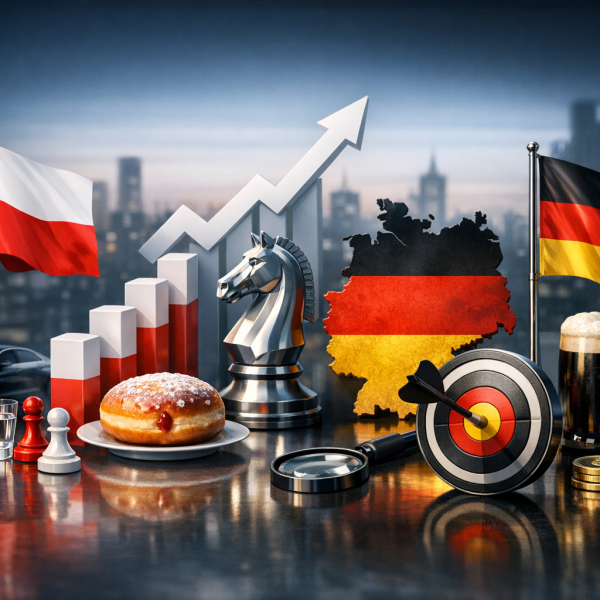
Poland has rapidly evolved from a cost-effective outsourcing hub into one of Central Europe’s most dynamic and innovation-driven markets. For German executives, understanding Polish marketing trends is no longer optional – it is a strategic necessity. As cross-border trade, e-commerce, and digital collaboration intensify between Germany and Poland, companies that adapt their marketing to local expectations gain a decisive edge in brand perception, customer loyalty, and revenue growth.
1. Hyper-Localized Branding for a Mature Polish Market
The Polish consumer market has grown more discerning and brand-aware over the last decade. Generic, one-size-fits-all messaging designed for "Eastern Europe" no longer works. Polish audiences want brands to treat them as an independent and mature market, not a satellite of Germany or the EU. This means localizing not just language, but imagery, cultural references, value propositions, and even product portfolios.
German executives should invest in localized campaigns that reflect Polish holidays, local influencers, regional idioms, and market-specific needs. Fine-tuning product messaging to highlight quality, reliability, and price transparency – factors that Polish consumers consistently value – can significantly increase conversion rates. To ensure linguistic and cultural accuracy, using professional polish translation services is essential for everything from websites and landing pages to legal documents and digital ads.
2. Omnichannel Journeys: Online Research, Offline Trust
Polish customers typically combine digital research with strong offline trust anchors. They may discover a product via social media, compare options on price comparison portals, and finalize their decision in a physical store or through a well-known e-commerce marketplace. This hybrid approach is especially evident in sectors like electronics, automotive, furniture, and household goods.
For German companies, winning in Poland means crafting seamless omnichannel experiences. Consistent pricing, clear information, and uniform brand messaging across all touchpoints are crucial. Integrating click-and-collect options, transparent return policies, and local-payment methods like BLIK can boost confidence and reduce cart abandonment. Because Polish buyers actively check reviews and forums, brands must also monitor and respond to customer feedback in Polish on all major channels.
3. Social Media Powerhouses: Facebook, Instagram, TikTok, and LinkedIn
Social media usage in Poland is high, and platforms like Facebook and Instagram still dominate for brand discovery and engagement. TikTok has gained massive traction, particularly among younger consumers, making it ideal for dynamic, short-form campaigns and product teasers. Meanwhile, LinkedIn continues to grow as the primary B2B channel, especially relevant for German industrial, logistics, IT, and professional services firms.
Executives should tailor their content strategy by platform. On Facebook and Instagram, storytelling, contests, localized visuals, and partnerships with Polish creators work well. On TikTok, playful, authentic, and trend-aware content helps reach younger demographics quickly. On LinkedIn, thought leadership, case studies, and cross-border success stories resonate strongly with Polish decision-makers and industry professionals.
4. Influencer and Creator Marketing with Local Authenticity
Polish consumers place considerable trust in local influencers and content creators who speak their language, share their cultural background, and present products authentically. Micro-influencers, in particular, can deliver higher engagement and more credible recommendations than large, generic celebrity accounts.
German brands entering or scaling in Poland should collaborate with Polish creators who genuinely align with their values and product categories. This involves more than just sending free samples. Long-term partnerships, affiliate programs, and co-created content – such as live streams, product tutorials, or behind-the-scenes videos – can strengthen brand loyalty and humanize cross-border companies in the eyes of Polish audiences.
5. Performance Marketing and Price Sensitivity
The Polish market is still highly price-sensitive, and many consumers actively search for deals, discounts, and loyalty programs. Performance marketing – including search ads, shopping campaigns, and retargeting – plays a crucial role in capturing this demand at the point of intent. German companies that run well-optimized paid campaigns in Polish can outperform competitors that rely solely on generic or English-language ads.
To make performance marketing effective, landing pages must be quick, mobile-optimized, and perfectly adapted to the local context. Clear pricing in złoty (PLN), transparent delivery terms, and localized FAQs often make the difference between a click and a conversion. A/B testing different promotional angles – such as "German quality," extended warranty, or free delivery – helps clarify what Polish customers value most for each category.
Consumer preferences in central Europe have moved quickly over the past decade, and food is where the change is most visible. Executives planning market entry usually underestimate how specific those preferences have become. Keeping an eye on food and beverage trends gives a much better read on the market than category data alone.
6. Content Marketing and Education-Focused Strategies
Many Polish buyers, both B2C and B2B, take time to research complex products and services. Educational content – guides, tutorials, blog posts, webinars, and white papers – is particularly effective at building trust. In B2B, German engineering, manufacturing, and technology providers can leverage their strong reputations by producing in-depth Polish-language content that demonstrates expertise and addresses real local challenges.
An editorial calendar that covers how-to articles, market insights, compliance updates, and comparison guides not only supports SEO but also nurtures leads over the long term. Ensuring this content is well-written in Polish, culturally attuned, and optimized for local search queries is critical if you want to be found by Polish prospects researching solutions independently.
7. The Rise of E-commerce Marketplaces and Cross-Border Logistics
Polish e-commerce has expanded rapidly, with local marketplaces such as Allegro and strong regional players becoming dominant channels for online shopping. For German brands, participating in these platforms can be an efficient way to gain visibility without building brand awareness from scratch. However, listing products is only the first step; success requires localized product descriptions, customer support, and logistics that meet Polish expectations for speed and reliability.
Many Polish customers expect fast delivery, reliable tracking, and convenient return options. Cross-border fulfillment must be well organized to avoid delays that could harm brand reputation. German executives should work closely with logistics partners experienced in the Polish market and ensure that all shipping terms, warranties, and service-level agreements are communicated clearly in Polish.
8. Regulatory Transparency and Data Protection as Trust Builders
Like Germany, Poland is highly sensitive to issues of privacy, data protection, and online security. Brands that emphasize compliance with GDPR, transparent cookie policies, and secure payment processing gain a psychological advantage. Polish customers want to know exactly what happens to their data and what rights they have.
German companies are often well-positioned to highlight their structured, rule-based approach as a benefit. Clear privacy policies, consent mechanisms, and visible trust badges can increase conversion rates, especially in sectors handling financial, medical, or personal data. Communicating legal and regulatory information in fluent Polish is crucial, both to build trust and avoid misunderstandings that could lead to complaints or regulatory scrutiny.
Conclusion: Turning Polish Market Insight into Competitive Advantage
For German executives, the Polish market represents far more than a neighboring country; it is a fast-evolving, digitally savvy, and strategically important growth engine in Central Europe. Those who treat Poland as a unique, sophisticated audience – rather than a mere extension of their German operations – stand to gain market share, long-term loyalty, and a powerful regional presence.
By embracing hyper-localized branding, robust omnichannel strategies, platform-specific social media tactics, authentic influencer collaborations, and education-driven content marketing, German companies can align their strategies with real Polish expectations. Prioritizing Polish-language communication and culturally accurate messaging at every touchpoint ensures that your brand is not just seen, but genuinely trusted. In a competitive landscape where details matter, a nuanced understanding of Polish marketing trends is one of the most effective advantages a German executive can secure.