5 Vital Contracts You Must Translate Before Entering Poland
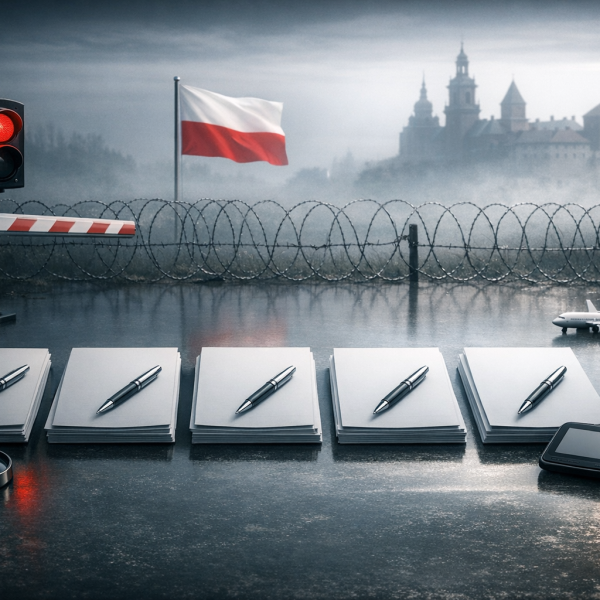
Expanding your business or professional activity into Poland is a smart move: the country offers steady growth, strategic EU access, and a skilled workforce. Yet many foreign entrepreneurs and professionals underestimate one critical success factor: accurate legal translation. Before you sign anything binding under Polish law, you must ensure your contracts are professionally translated into Polish and aligned with local regulations. Below, you will find five vital contracts you must translate before entering the Polish market, along with practical tips for avoiding costly misunderstandings.
1. Commercial Lease Agreements
If you plan to rent office space, a warehouse, or a retail unit in Poland, your commercial lease agreement is one of the first documents that demands precise translation. Polish landlords and property managers typically prepare contracts in Polish, with local terminology and references to domestic regulations. Any ambiguity here can lead to disputes over rent, operating costs, or termination terms.
Key provisions that must be carefully translated include:
- Rent, indexation formulas, and currency clauses
- Service charges and maintenance responsibilities
- Duration of the lease, renewal options, and notice periods
- Fit-out, alterations, and restoration obligations
- Liability for damages, insurance requirements, and guarantees
Inaccurate translation of even a single phrase can shift the financial and legal risk heavily onto your business. It is crucial to use translators familiar with Polish real estate law and to have the translated version double-checked by a local lawyer before signing.
For many international companies, language consistency across documents is also essential. When preparing supporting materials, internal guidelines, or detailed annexes, efficient content tools can save time and ensure clarity. Modern solutions like book writing ai help you generate well-structured drafts that are easier and faster to adapt for legal translation and localization to Polish.
2. Employment Contracts
Hiring employees in Poland brings your business under the scope of Polish Labor Code regulations, which are detailed and employee-friendly. Any employment contract used in Poland should be in Polish or bilingual (Polish and your native language), with the Polish version usually treated as legally prevailing in case of conflict.
The following sections of employment contracts require meticulous translation:
- Job title, duties, and place of work
- Working hours, overtime rules, and breaks
- Salary, bonuses, and benefits in line with Polish law
- Vacation days, sick leave, maternity and paternity rights
- Notice periods, termination rules, and severance pay
- Non-compete clauses and confidentiality obligations
Misinterpretation of labor provisions can result in substantial penalties, legal disputes, or inspections from the National Labor Inspectorate. A professional legal translator familiar with HR and employment terminology is indispensable if you want to protect both your business and your employees.
A second reading by another qualified linguist catches most of these before anything is signed, which is why the ISO 17100 standard builds that revision step into every job. Providers certified to it, PoliLingua among them, cannot deliver a translation that only one person has seen. For an employment contract where the Polish version prevails, that second pass is worth asking about before you commission the work.
3. Shareholders’ Agreements and Company Statutes
Whether you are establishing a limited liability company (spółka z ograniczoną odpowiedzialnością, or sp. z o.o.) or a joint-stock company (spółka akcyjna), your corporate documents must reflect Polish legal standards. Statutes, articles of association, and shareholders’ agreements define how your company is managed, how decisions are made, and how profits are distributed.
Essential elements that need accurate translation include:
- Share capital structure and voting rights
- Appointment and removal of directors and management board members
- Dividend policies and profit distribution mechanisms
- Transfer of shares, pre-emption rights, and tag-along/drag-along rules
- Deadlock resolution mechanisms and dispute settlement procedures
Because corporate governance must align with Polish Commercial Companies Code, translation errors can make parts of your agreements unenforceable or inconsistent with mandatory law. Bilingual documents are often recommended, but the Polish version must be perfectly drafted to avoid conflict with local regulations and notarial requirements.
Market entry contracts are where an exporter discovers which assumptions do not survive a different legal system. Distribution terms, labelling responsibility and shelf-life guarantees all need to be pinned down before the first shipment leaves. Producers tracking food and beverage industry trends will recognise how much of the growth story is really a contracts story.
4. Supplier, Distributor, and Service Contracts
Operational success in Poland depends heavily on your relationships with suppliers, distributors, logistics partners, and other service providers. These commercial contracts dictate everything from pricing and delivery schedules to intellectual property rights and liability limitations. Given that disputes in cross-border trade are common, clarity in both language versions of the contract is vital.
Areas to watch especially closely during translation include:
- Product specifications, quality standards, and acceptance procedures
- Payment terms, late payment interest, and currency of settlement
- Delivery terms, Incoterms, and transfer of risk
- Warranty, returns, and complaint handling processes
- Intellectual property, trademarks, and branding usage rights
- Limitation of liability and indemnification clauses
Where possible, ensure that the governing law and jurisdiction clauses are consistent with your overall legal strategy. If the contract is to be governed by Polish law or performed primarily in Poland, a Polish-language version is not simply a formality; it can be the deciding factor in court or arbitration proceedings.
5. Data Processing and Privacy Agreements
Operating in Poland means you must comply with both the EU’s General Data Protection Regulation (GDPR) and Polish national data protection rules. Any agreement that involves the collection, processing, or transfer of personal data must be localized and translated with extreme precision, because misinterpretation can lead to significant administrative fines.
Make sure your translations fully and accurately capture:
- Roles and responsibilities of data controllers and processors
- Legal bases for processing personal data
- Data retention periods and deletion procedures
- Security measures and incident response obligations
- International data transfers and use of sub-processors
- Data subject rights and complaint procedures
Regulatory authorities in Poland expect transparent and understandable information for both business partners and individuals whose data is processed. Poorly translated privacy clauses weaken your compliance position and harm trust with Polish customers and employees.
Conclusion: Treat Translation as a Strategic Investment
Translating contracts for the Polish market is not a mere administrative step; it is a strategic investment in legal security and smooth operations. Commercial leases, employment contracts, corporate documents, supplier and service agreements, and data processing contracts all need precise localization to avoid misunderstandings, regulatory issues, and costly disputes.
Work with professional legal translators who understand both the language and the legal context, and always have key documents reviewed by Polish counsel. By treating contract translation as a core element of your market-entry strategy, you position your company for long-term, compliant, and profitable growth in Poland.